PV Nature projects gather in Kenya for technical workshop
In November, our PV Nature projects from across Africa and Europe convened for an in person technical workshop in Kenya.
As projects approach a pivotal stage in the certification journey, the workshop aimed to ensure they are equipped with the methodologies, market understanding, and community engagement tools needed to advance through the PV Nature certification process with confidence.
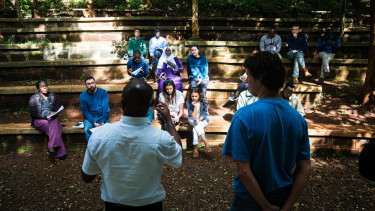
Hosted at the Brackenhurst Conference Centre in Kenya, set within restored highland forest, the workshop was coordinated by our Nature Lead Toral Shah, alongside our Regional Nature Officer for East Africa, Dianah Nalwanga,
Across three days, the sessions focused on biodiversity monitoring techniques aligned with the PV Nature Methodology and why these techniques are essential to credible credit generation. The emerging biodiversity market and credit use cases were also explored, as well as community engagement tools and the Gender Action Learning System (GALS) Methodology.
Project coordinators from Kenya, Botswana, Zimbabwe, Uganda, Portugal, and the UK took part. Technical contributors Natural State and Okala provided guidance on monitoring systems to help projects build reliable, scalable data pipelines. ECOTRUST led sessions on the GALS Methodology to support more inclusive, participatory community engagement.
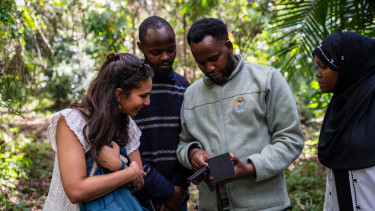
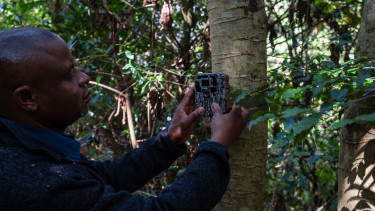
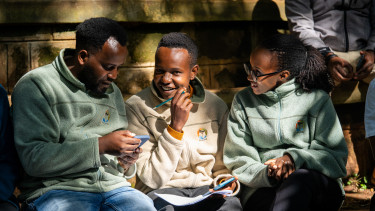
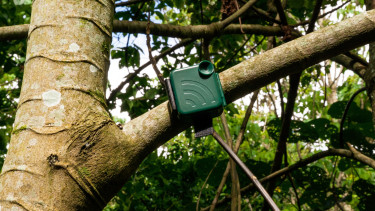
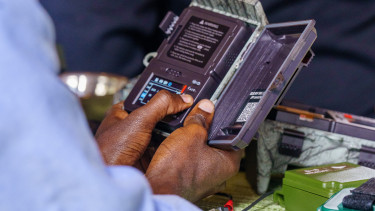
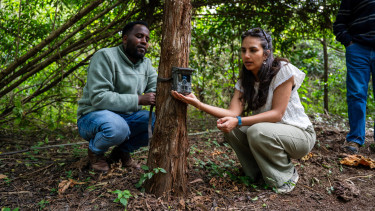
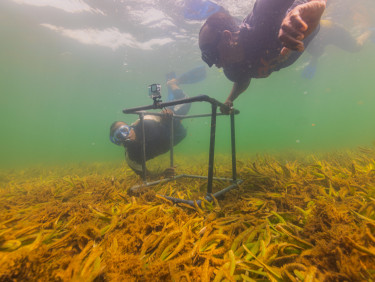
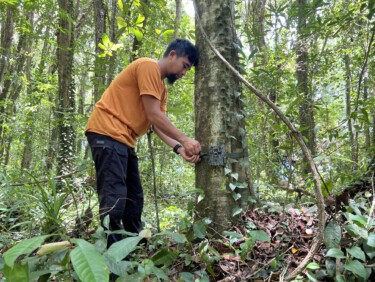
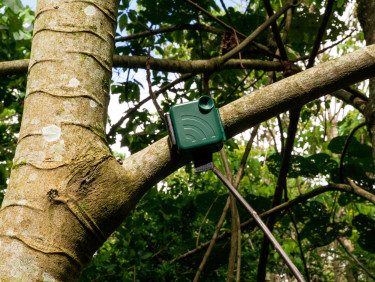
Day 1 explored digital monitoring tools, emphasising their role in producing consistent and defensible datasets. Field demonstrations in the surrounding forest helped teams refine approaches that reduce error and strengthen future baselines. Peer exchanges highlighted practical solutions to monitoring challenges, reinforcing collaboration across the PV Nature network.
Day 2 centred on the rationale behind effective market engagement. By developing investor-ready pitches, participants gained insight into how to articulate project value, anticipate investor expectations, and better position their project within an emerging biodiversity credit landscape.
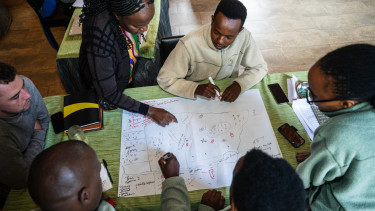
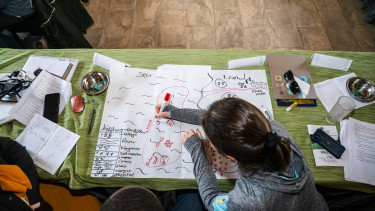
Day 3 focused on community engagement as a foundation for durable project outcomes. Through participatory mapping, visioning exercises, and discussions on household gender dynamics, teams explored methods that build trust and ensure that project benefits align with community priorities.
The workshop arrived at a crucial moment. Projects will begin baseline setting in early 2026, followed by increased market engagement and the integration of marine methodologies later in the year. The sessions strengthened both the technical capacity and strategic clarity needed for these next steps, while reinforcing the collaborative momentum across PV Nature stakeholders.
We would like to extend our thanks to the UBS Optimus Foundation and the Trafigura Foundation for supporting the training and procurement of digital monitoring equipment, and to the Centre of Ecosystem Restoration in Kenya for hosting the workshop.
If you would like further information on PV Nature and the PV Nature pipeline projects, reach out to our team: biodiversity@planvivofoundation.org