Babatana Rainforest – Solomon Islands
On this page:

About the project
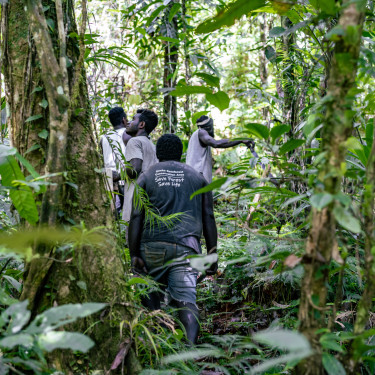
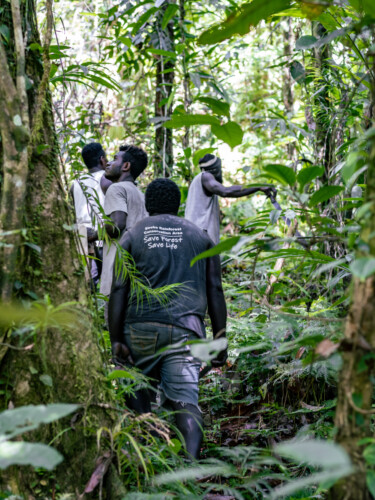
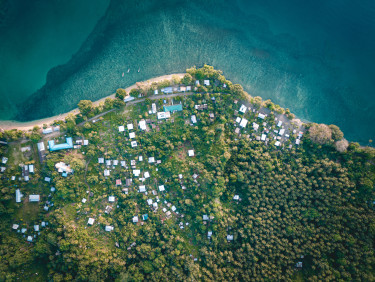
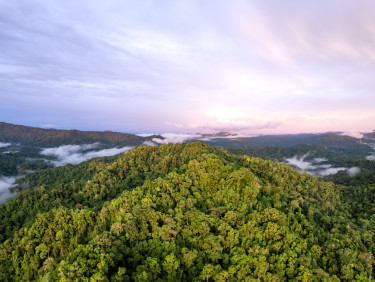
The Babatana Rainforest Conservation Project provides alternative finance to unsustainable industries such as mining, supporting the community to be more resilient to climate change while protecting their culturally significant and biodiverse rainforest.
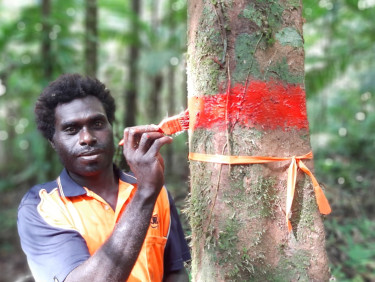
The Babatana project established its first protected area in 2019 in partnership with the Sirebe tribe, one of the Babatana language groups living in south Choiseul province. By joining the initiative, Sirebe became the first landowner group in the Solomon Islands to participate in a forest carbon project. In addition to climate mitigation, the project has a wide range of co-benefits including the protection of watersheds and the reduction of inequality through the formation of Women’s Savers’ Clubs.
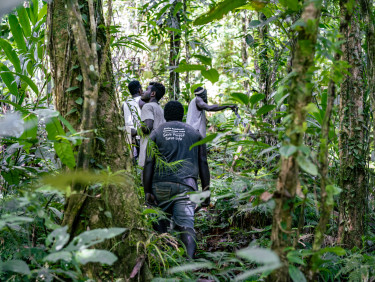
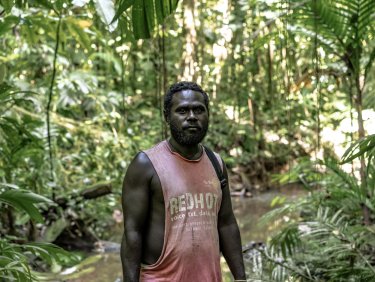
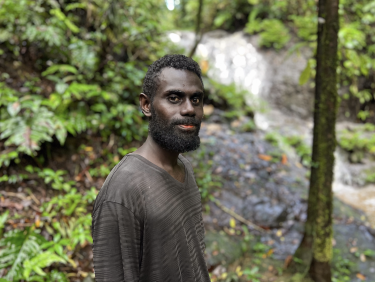
The forest is a fundamental part of the local tribes’ cultural identity. Through the project, the Sirebe tribe are preserving the forest for their tribe and future generations. Following their leadership five more tribes— Siporae, Vuri, Padezaka, Garesa and Lukulombere— are currently developing forest conservation and carbon projects.
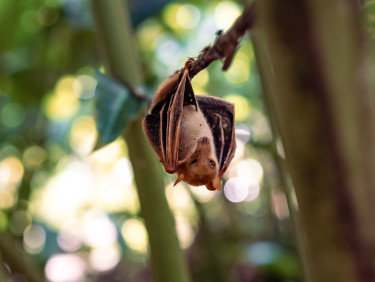
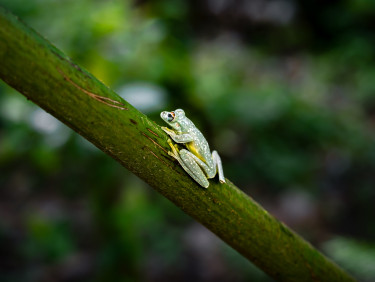
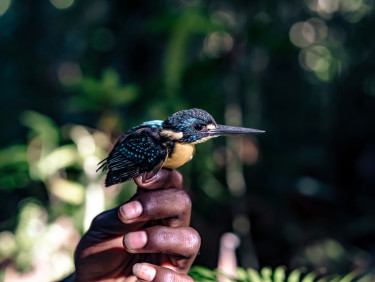
It's important to protect the forest because protecting the unique species, streams and trees can support the living of people of the Sirebe tribe. We rely on the forest to obtain our resources for foods, house materials and custom medicine. Protecting the forest will help our tribes in terms of livelihood benefits for now and future generations.
More projects
Find out more about other projects in the region or projects that use similar interventions.
-
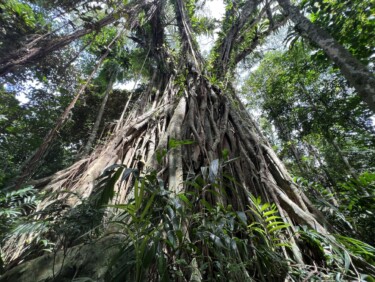
Loru Forest – Vanuatu
Generating income for the Serakar Clan, the traditional custodians of an important section of remnant rainforest.
-
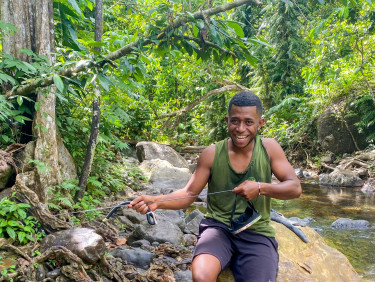
Drawa Rainforest – Fiji
Supporting the Fijian clans in protecting their rainforests, providing greater resilience against climate change.
-
Nanga Lauk – Indonesia
Extending the community’s legal rights to protect the riparian and peat swamp rainforests from logging and mining companies.