The Olympic Forest: Tackling Desertification and Food Insecurity
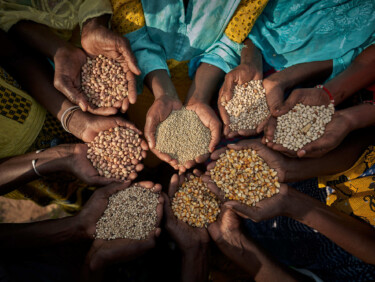
The Olympic Forest, based across Senegal and Mali, achieved Plan Vivo certification (PV Climate V4) in 2024. The project works with communities living on the frontline of climate change to prevent desertification, enhance economic resilience and improve food security.
In a transboundary region spanning the Kayes area in Mali and Tambacounda province of Senegal, communities are working to combat desertification in the Sahel by planting trees, conserving water, and avoiding bushfires. As climate change brings rising temperatures and reduced rainfall, the people in this region have seen increased pressure on the drylands where they live. Clearing forests for farms and overgrazing has led to decreased soil fertility and consequent food shortages, creating a vicious cycle of poverty.
Introducing the Olympic Forest
This is where the Olympic Forest comes in. The project is led by the International Olympic Committee (IOC) in collaboration with Tree Aid and LA LUMIÈRE. The aim is to reverse these trends, bringing benefits for nature, climate and communities.
The Olympic Forest is a project that was born out of the IOC’s climate commitment. The IOC has so far reduced its corporate carbon footprint by 30%* between 2016 – 2019 and 2021 – 2024, and aims to achieve a 50% reduction by 2030, in line with the Paris Agreement. In addition to reducing emissions, the IOC is also funding carbon removal through the Olympic Forest – thus generating carbon savings in excess of the organisation’s carbon emissions – and influencing stakeholders to take action against climate change. The Olympic Forest is much more than planting trees to sequester carbon, however. It is a project that aims to create environmental, social and economic benefits to the local populations who are at the forefront of climate change.

The location and timing of the Olympic Forest add to its significance. Located partly in Senegal, host of the Youth Olympic Games Dakar 2026 – the first Olympic event ever to be held on African soil – the project is planting the seeds for a lasting Olympic legacy for Senegal, and the African continent as a whole.
The project is being implemented by Tree Aid, an international NGO that supports communities in the drylands of Africa by growing trees, restoring degraded land, and creating sustainable livelihoods. Tree Aid actively tackles poverty and the effects of climate change in Burkina Faso, Ethiopia, Ghana, Niger, Mali and Senegal. Guided by local knowledge and expertise, its work supports communities to protect their environment, produce food, and generate income from trees, ensuring long-term resilience.
This project is a testament to the power of inclusive environmental action and highlights the need for more initiatives that combine ecological restoration with social and economic empowerment.
The Olympic Forest is part of the much broader Great Green Wall initiative which aims to restore degraded landscapes across Africa’s Sahel region. This African-led movement envisages a 8,000km mosaic of restored land that will transform the lives of millions living on the frontline of the climate crisis by creating jobs, food security, and climate resilience. The Olympic Forest contributes 1,569.5 ha of land to this initiative, restoring degraded, wooded savannah, improving soils, and sequestering CO2.
Project activities and interventions
Deforestation on farmland is a major driver of land degradation in the Sahel. To combat this, the project partners work with local farmers to strengthen and sustain their farms through agroforestry. By planting trees on farmland, the project helps stabilise soil, improve crop health, and provide essential shade for farmers, crops, livestock, and wildlife — especially during heatwaves.
In response to the climate crisis, which has made rainfall increasingly unpredictable, the community also engages in soil and water conservation efforts. One key practice is constructing half-moons at the base of trees, which capture rainwater and prevent soil from drying out.
In the African Sahel, the Olympic Forest is working with communities to restore degraded wooded savannah, improve soils, and sequester CO2. Credit: Tree Aid/IOC
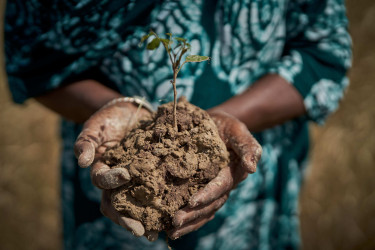
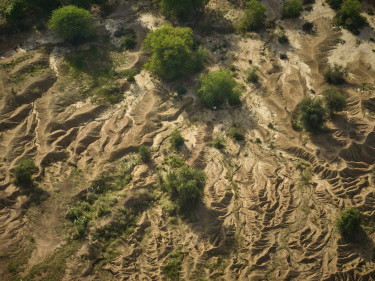
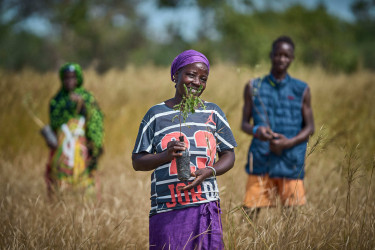
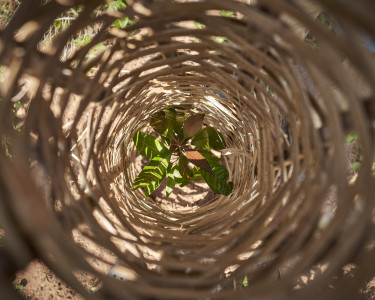
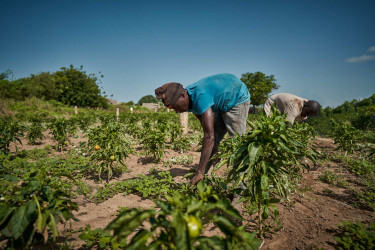
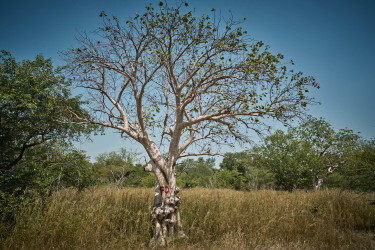
Along with water shortages, climate change has also increased incidence of bushfires, which became particularly severe in 2023. These fires affected the project areas, posing a threat to both the environment and local communities. In response, the IOC and TreeAid acted promptly, developing and implementing a comprehensive plan to mitigate the damage and support recovery efforts. Following extensive consultations, Tree Aid worked with local communities and government agencies to adopt a holistic, community-based response with practical approaches including creating firebreaks to reduce the risk of fires going forward.
During these discussions, Tree Aid discovered that firebreak construction coincides with harvest season, making it difficult for community members to participate. To address this, the project coordinator planned collaboratively with the community to align activities with their schedules and introduced mechanisation, such as tractors and machinery, to help with firebreak construction and soil and water conservation work.
This project is essential for our future. Desertification is a reality in the area, and it helps to stop it. The advance of desert has a negative impact on livestock, agriculture and natural forest resources essential for the food and wellbeing of communities.
As part of the participatory model Plan Vivo has developed, the trees planted – a mix of indigenous and well-adapted species – were chosen by the community based on local needs. For agroforestry, smallholder farmers select trees that improve their farms – providing shade for a better working environment, protecting crops from excessive sun exposure, and preventing soil degradation. On top of these benefits, some of the tree species provide resources that the communities can use for food and income, including moringa, shea, and African locust bean. The project has also helped restore key tree species valued by local people, such as the baobab, which had been lost in the area.
Why Plan Vivo Certification?
The Olympic Forest is the 33rd project to be certified under the Plan Vivo Carbon Standard (known as PV Climate). Plan Vivo certification brings significant benefits to both the communities and ecosystems involved in the Olympic Forest. For local people, certification means increased income, with direct payments to agroforestry members and forest cooperatives helping to support livelihoods.
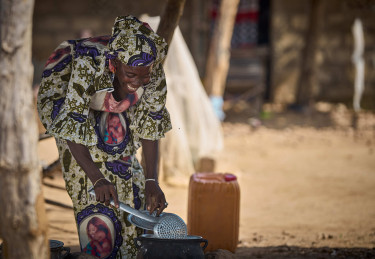
Certification also ensures better forest management through agreed financial management plans that guide sustainable use, regulate access during certain seasons, and provide a long-term protection strategy; renewed every 10 years with full community involvement. A well-managed forest also enhances biodiversity, creating healthier ecosystems that support both people and wildlife. Most importantly, Plan Vivo Standards are rooted in community buy-in, ensuring that conservation efforts are effective, lasting, and locally-driven.
Tree Aid’s Senegal Country Director, Mame Sana Diop, recently visited the communities in the Olympic Forest project area, and found that what stood out most for her, beyond environmental restoration, “was the way the project fosters social cohesion — bringing people together around a shared vision for a sustainable future.”
Significantly, the project has also led to the financing of four nurseries — two in Senegal and two in Mali — helping to increase tree survival rates while creating local employment, particularly for women. Women are also playing a greater role in forest governance, strengthening community leadership, and long-term sustainability.
The Olympic Forest is a powerful example of how sport can drive meaningful environmental and social change. With this project, we are not just planting trees—we are investing in a more sustainable future for the local communities. As leaders of the Olympic Movement, we have a responsibility to act, inspire, and create lasting impact.
Looking to the future
Working in a new region, Senegal, one of the hottest countries in West Africa, Tree Aid has had the opportunity to test and refine new techniques for soil and water conservation, developing efficiencies that can be applied to future projects. Operating in both Mali and Senegal, the Olympic Forest represents an expansion of Tree Aid’s activities, offering further opportunities for environmental, social and economic impact on the ground.
The next phase will focus on supporting communities to plant more trees and build on the success of the project so far. In 10 years time, the Olympic Forest aims to have made a lasting impact on both the environment and local communities. It is hoped that the area will see increased biodiversity and the reversal of land degradation, with communities actively managing and protecting their forested lands.
*The IOC works according to 4‑year cycles, hence the carbon reduction progress is also monitored by 4‑year cycles. The 30% CO2 reduction was achieved between 2016 – 2019 (baseline period) and 2021 – 2024.
Author: Olivia Horne, Communications Officer