Plan Vivo Perspectives: COP16
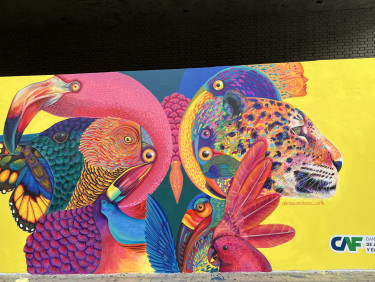
The 16th meeting of the Conference of the Parties to the Convention on Biological Diversity (COP16) was held in Cali, Colombia towards of the end of 2024. Plan Vivo was well represented, with two board members (Pauline Nantongo and Jen Stebbing) and three of the Secretariat team (Toral Shah, Harry Tittensor and Keith Bohannon) in attendance.
Harry, Toral and Keith tell us more about their experience and key takeaways from the Cali conference.
This was the first time Plan Vivo attended what has come to be known as the ‘biodiversity’ or ‘nature’ COP. It was understood that a central talking point would be biodiversity markets and biodiversity crediting mechanisms. As a key player and thought leader within the emerging biodiversity market, it was important for Plan Vivo to be part of these dialogues and to advocate for (as we have done in the VCM for 27+ years) an equitable, holistic and high-integrity approach to crediting mechanisms.
Over the course of COP16, the team attended around 35 sessions covering biodiversity markets, credits, nature technologies, engagement with Indigenous Peoples (IPs) and local communities (LCs), and supply-demand integrity — a significant effort, though just a fraction of the available offerings.
The first few days required some acclimatisation – mainly to the tropical climate (which differs slightly from Autumn in Scotland!). Thankfully, we were prepared with our very own ‘fixer’ Harry, who’s decade of experience living in Colombia proved invaluable, guiding us to the best local spots for food, rest, and exploration (including a bit of salsa dancing – of course!).
The Green Zone: Bridging the community-biodiversity gap
For us, one of COP highlights was the Green Zone, a publicly open space offering a platform for civil society, local organisations, communities and individuals to showcase initiatives in the nature-positive sector. The green zone was this year situated in the heart of the hosting city, a historic first for a nature COP. This conscious decision made by the Cali hosting committee, increased accessibility and inclusivity, which was greatly welcomed by all those attending.
The setup fostered a vibrant exchange of ideas among the public, IP&LC representatives, government officials, project developers, NGOs and others. The zone – divided up into Colombia’s ecoregions – provided immersive experiences showcasing the country’s unparalleled biodiversity. In the Amazonia area, complete with its own Maloca (traditional communal dwelling), Indigenous Leaders from across Latin America hosted interactive forums. These left a real lasting impression on all those who attended, whether local or international. Throughout the city, we were constantly reminded of the interdependence between people and nature, and the sense of pride Cali felt to be the hosting such crucial conversations.
The Blue Zone: Negotiating Biodiversity Policy
The Blue Zone, where the formal negotiations and discussions central to the Global Biodiversity Framework (GBF) take place, had a notable increase in IP&LC representation (in comparison to previous COPs) with the passing of Article 8 also signifying a real step forward towards integrating IP&LCs into decision making processes. We feel however, that there is still further work to be done.
From our side, there remains an urgent need to prioritise bottom-up approaches and inclusive collaborations. Discussions on emerging biodiversity credits showcased impressive talent and innovation but also revealed a lack of diverse perspectives. Panels and events often featured the same speakers, creating silos between businesses, policymakers, market developers and IP&LCs. This disconnect overlooked the crucial interplay between nature, climate and communities.
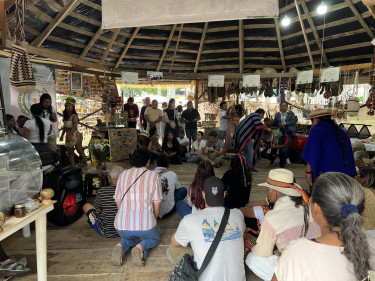
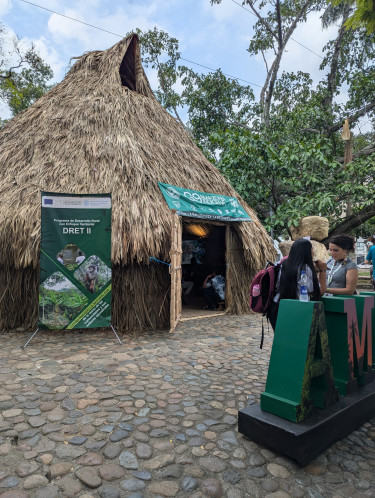
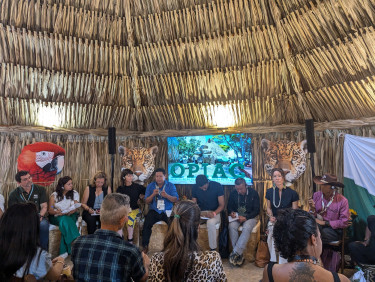
Above: The Green Zone’s Maloca (a traditional communal dwelling used by Indigenous People of the Amazon, particularly Colombia and Brazil) provided a space for Indigenous Leaders from across Latin America to host interactive forums.
In several discussions, it was acknowledged that capacity strengthening goes both ways, and that potential funders, buyers and other market actors need to improve their understanding of what is needed on the ground. This would help this emerging market to work in a way that delivers a positive and holistic impact.
We also felt that whilst there was wide-spread agreement on the importance of principles like Free, Prior and Informed Consent (FPIC) and equitable benefit sharing, the mechanisms to finance and support these efforts require the same collaborative ethos. To nurture nature markets and ensure truly equitable and effective outcomes, all stakeholders (especially those implementing the projects on the ground) must have a seat at the table.
Plan Vivo’s role and promising developments
There were encouraging signs of progress at COP16. Biodiversity credits emerged as a potential cornerstone of corporate nature strategies, with discussions focusing on nature-positive contributions rather than offsets. The market is still in its infancy, but its principles are beginning to take shape.
We were pleased that biodiversity market conversations :
- Understood that biodiversity credits should prioritise contributions (i.e. the Nature Positive movement) over commoditization.
- Recognised that having robust FPIC processes in projects is essential. This has been long championed by Plan Vivo and is now being more widely adopted.
- Recognised that Standards and independent certifications like Plan Vivo have a key role to play (delivering integrity and growing market confidence) and that these models should be designed in a way that eliminates inherent biases.
- Accepted that there is no need for a single/unit methodology. There is room for different approaches, but there should be a set of criteria and principles that guide buyers on where and what to look for and give confidence on what is required for high integrity credits/projects.
- Reinforced that biodiversity credits should not be used for direct offsets, albeit with concessions given to local offset regulatory compliant schemes.
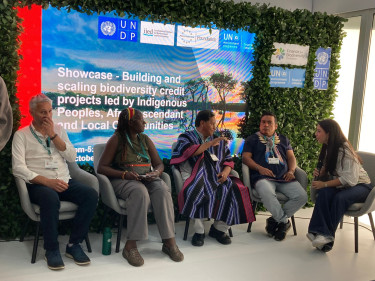
All the above principles are embedded within the 11 PV Nature pilot projects. These projects are currently undergoing certification beneath the Standard and are utilising a methodology co-developed with Pivotal which ensures accessibility, accuracy and transparency.
The PV Nature Methodology was spotlighted in numerous panels and speaking events by Pauline Nantongo, the Director of Ecotrust Uganda. Ecotrust and the Bugoma-Bundongo Wildlife Corridor project currently have a Project Idea Note (PIN) under review by Plan Vivo. Pauline mentioned the methodology’s application and spoke about how the use of digital data gathering tools (for example camera traps and bioacoustics detectors) work very well for engaging local people in the data gathering process, notably young people who are attracted by the technology element.
Funding the future: A Nature-Positive Pathway for Businesses
Since launching our Biodiversity Standard at the end of 2023, Plan Vivo has been working with targeted partners to assess the demand for biodiversity credits/Plan Vivo Biodiversity Certificates (PVBCs) and awareness of the Nature Positive movement.
At the end of last year, we conducted a market survey in collaboration with Blue Marine Foundation and goodcarbon with the aim of establishing the private sector’s interest in the emerging biodiversity credit market. The results and analysis our outlined in our report ‘Credit Where Credit’s Due: Identifying the Core Principles for a High Integrity Biodiversity Market’.
We have also developed several working groups and conducted strategic meetings with potential market actors, to continue to better understand the demand side and to encourage corporates to engage with this emerging market.
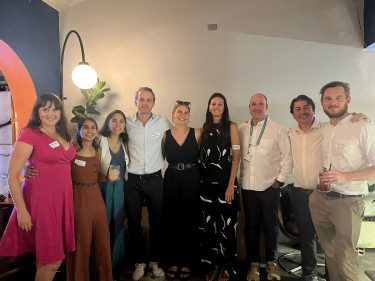
Our COP16 side event ‘Funding the Future’ created the perfect opportunity to further discuss our report findings, bring together diverse voices from both the supply and demand side, explore the use cases for biodiversity credits and to enjoy some authentic local food, drinks and music (again – with thanks to our ‘fixer’ Harry for organising!)
We were thrilled to have actors in the room representing projects – both from the development and technical side ‑as well as corporate representatives, who shared invaluable insights into the demand for these emerging credits. It is hugely important to bring supply and demand actors together, if we are to have fruitful conversations and understand where the market is currently and where it can go in the future.
We must extend our thanks to Pivotal, Ecotrust, goodcarbon, Volvo and our moderator Jen Stebbing for contributing to the vibrant panel discussion, and to all those who attended.
Navigating the road ahead
The future of biodiversity markets shows promise and potential but still requires focused effort. The principles established at COP16 ‑such as robust FPIC processes, equitable benefit-sharing, and co-designed projects – must now be implemented in good faith. IP&LCs must remain central to project design and market development to ensure equitable outcomes, while supply and demand actors must collaborate openly to sustain market growth.
For us, some of COP16’s other key milestones included:
Funding Boost: Governments pledged $165 million to the GBF Fund, including contributions from Austria, Germany, and the UK.
Corporate Commitment: Companies like Kering and GSK adopted science-based nature targets, while others pledged to align biodiversity credits with their operations in key regions.
Broader Engagement: The TNFD reached 500 adopters, including major corporations like Qantas and financial institutions such as Banco de Bogotá.
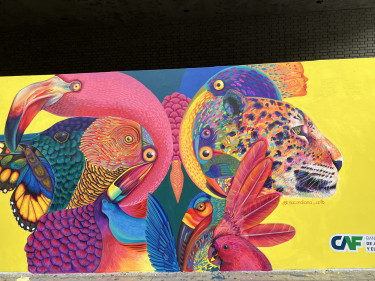
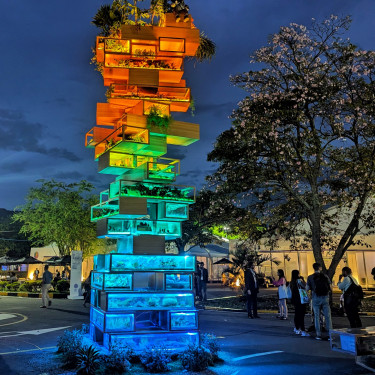
Image right: The dazzling and colourful Jenga installation found in the Blue Zone
Biodiversity credits could emerge as a cornerstone for corporate nature strategies, with consensus forming around their use for nature-positive contributions rather than offsets. Projects could also move towards aligning with national biodiversity strategies (NBSAPs), encouraging companies to contribute where they operate.
Plan Vivo’s role
Following our time in Cali, we came back ready to reaffirm our commitment to pioneering the development of this exciting market. Plan Vivo remains committed to:
- Certifying pilot projects by the end of next year, ensuring they are developed through inclusive processes that reflect our values of co-design and community ownership.
- Building stronger ties between project developers and corporate buyers to grow, encourage and sustain this nascent market.
- Empowering IP&LCs to lead conservation outcomes, especially amid shifting global priorities.
- Ensuring IP&LCs get a fair and equitable share of any benefits generated.
As we move forward, the message from COP16 is clear: strong roots are critical for long-term growth. Just as healthy ecosystems rely on robust roots, the biodiversity market must ground itself in inclusivity, equity, and collaboration. By nurturing these foundations, we can cultivate a mechanism capable of delivering lasting, meaningful and holistic change. To quote Toral when closing our event “We depend on nature for our survival, but the survival of nature depends on us.”