Certify a Carbon Project
PV Climate
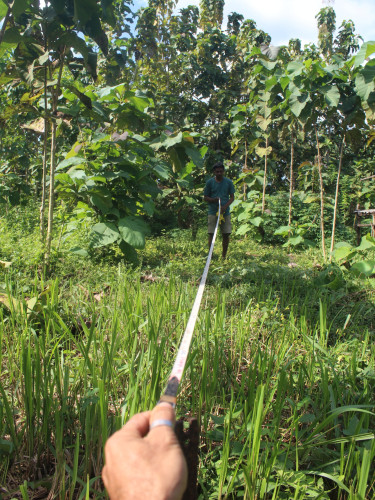
Locally-led projects delivering meaningful impact
Our Carbon Standard, known as PV Climate, is internationally recognised for its robust and meaningful approach to project certification, certifying high-integrity community and smallholder-led nature-based projects.
Projects achieving certification are able to issue and sell Plan Vivo Certificates, using the income generated to expand and sustain their crucial work and invest back into the local community.
Quick Links
Understand more about PV Climate certification and what’s involved.
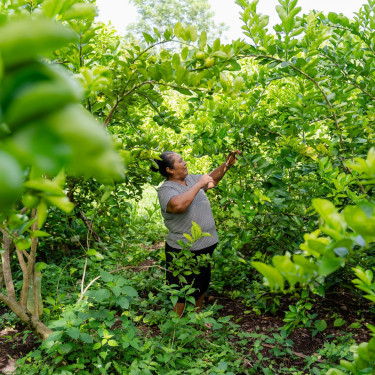
About PV Climate
With roots stretching back to the 1990s, PV Climate is the longest-standing Carbon Standard in the voluntary carbon market. It provides a mechanism for buyers and funders to support trustworthy, high-integrity climate solutions.
The Standard has gone through 25+ years of evolution, incorporating extensive experience to ensure nature-based projects are certified to the highest quality, while continuing to keep local people at the centre.
Our unique revenue sharing requirements ensure that at least 60% of the income generated from the sale of Plan Vivo Certificates goes back to the communities on the ground, a requirement that our Standards are internationally recognised for.
We offer guidance, tools and support throughout the certification process, and work with buyers, funders and projects focusing on quality, credibility, and long-term gains.
Types of projects eligible for certification
-
Restoration
Tree planting, assisted natural regeneration, and management of wetlands or other natural ecosystems to restore ecological function.
-
Agroforestry
Integrating trees into agricultural landscapes to enhance carbon storage, improve soil health, support biodiversity, and strengthen livelihoods alongside food production.
-
Protection
Reducing deforestation and/or degradation of forests, wetlands or other natural ecosystems.
-
Improved Management
Improving forest, agricultural land, grassland, livestock, wetland or marine management practices to increase carbon stocks and/or reduce greenhouse gas emissions.
The registration process
-
01Submit your PIN
A Project Idea Note (PIN) outlines the main elements of a proposed project, describing the project’s goals, activities and expected benefits, and how it meets requirements under the relevant Plan Vivo Standard.
-
02Submit your PDD
The Project Design Document (PDD) is an in-depth document which describes how a project will be implemented and monitored, including environmental and social safeguards, methodologies, and technical specifications.
-
03Validation & Certification
Projects are then third-party audited or ‘validated’. This ensures the project meets the requirements, as outlined in the respective documents. Once a validation is complete a project is then officially Plan Vivo certified.
-
04Reporting & Verification
Certified projects must complete Annual Reports in order to issue and sell Plan Vivo Certificates and adhere to operational requirements. Third party verifications take place every five years or less, ensuring compliance and best practice.
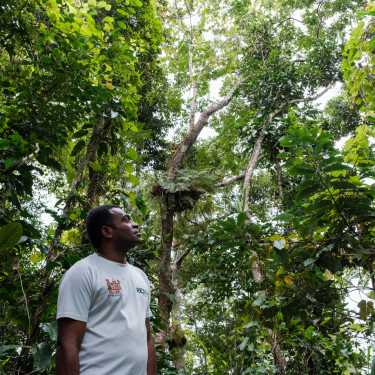
Eligibility and Costs
PV Climate has specific criteria that all projects must meet before beginning the certification process. A project’s eligibility includes requirements related to land status, tenure and user rights, project activities and interventions, as well as the engagement and inclusion of local communities.
It is also important to understand the associated costs of PV Climate certification before beginning the certification journey.
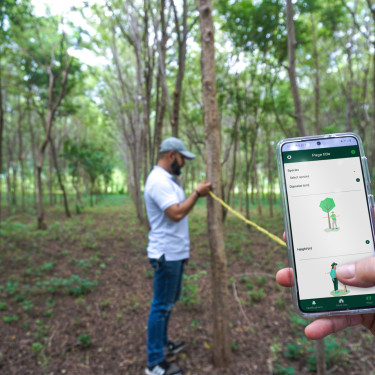
Documents & methodologies
Plan Vivo’s detailed PV Climate documentation, including our requirements, methodologies and supporting manuals and guidance, clearly outline what is required to become PV Climate certified.
Methodologies describe the procedures, data and parameters needed to estimate and monitor carbon benefits. Projects are required to use an approved methodology.
Validation & Verification
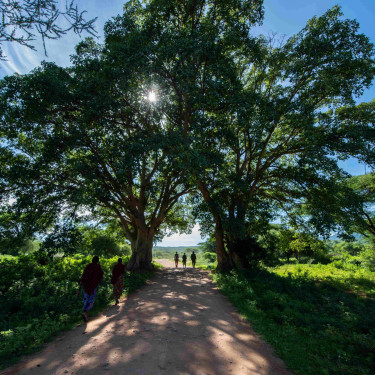
Third party validation and verifications are a crucial part of PV Climate certification and ongoing compliance. They ensure a project is implemented as planned, meets requirements, and continues to deliver any outlined benefits, including expected emissions reductions.
The approach varies by project size, using either approved Independent Experts or Validation and Verification Bodies. All reports are made publicly available.
We’re proud to partner with Plan Vivo to drive finance to projects that combine robust carbon outcomes with meaningful livelihood and ecosystem benefits - the kind of integrity our clients expect and the planet needs.
PV Climate Projects
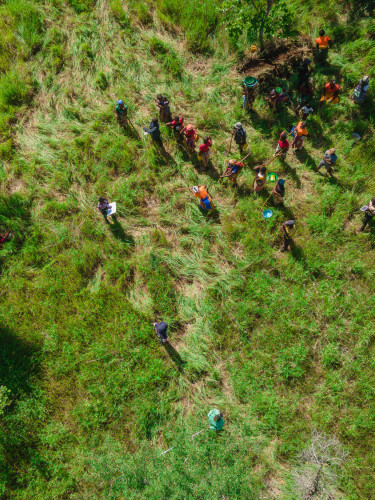
Certified projects join an international network of community-led initiatives taking meaningful action for climate, nature and people, and with a deep-rooted commitment to integrity and inclusion.
-
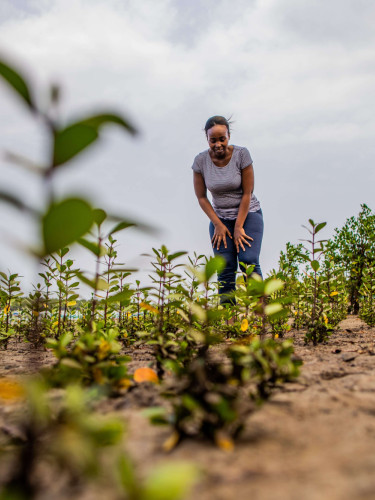
Mikoko Pamoja – Kenya
The world’s first blue carbon project, with mangrove conservation and restoration efforts led by the community.
-
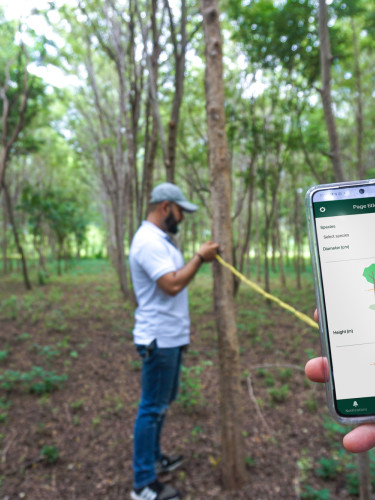
CommuniTree – Nicaragua
Using reforestation to create long-term income for farmers who are most vulnerable to climate change.
-
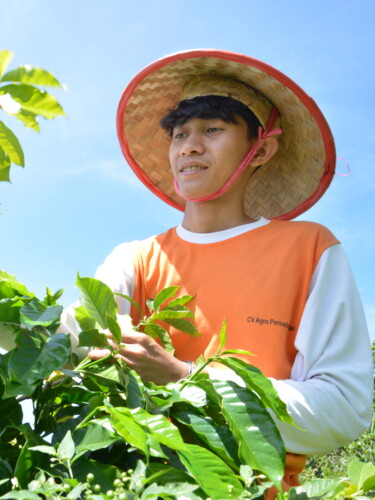
Gula Gula – Indonesia
Located in the Singkarak river basin in West Sumatra province, the project restores degraded land and boosts local income and employment opportunities.