The scale of the challenge
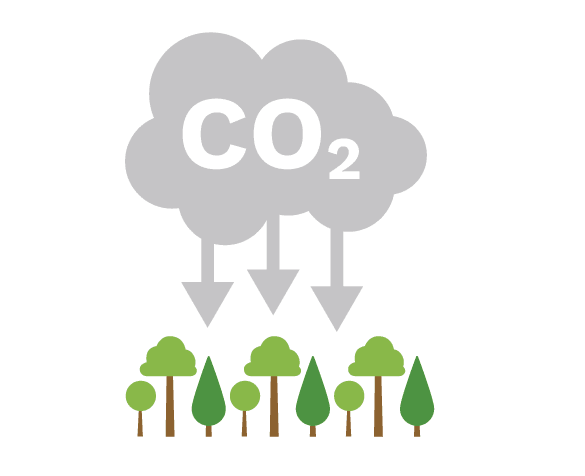
Deforestation and land-use change cause 30% of GHG emissions as well as loss of biodiversity and soil degradation. The worst degradation is happening in developing countries where rural communities are locked in negative spirals of poverty and poorly planned exploitation of natural resources.
Global mechanisms such as the Clean Development Mechanism (CDM) have failed to tackle this problem, and whilst there is broad acceptance that forest conservation should be brought into international climate change frameworks, there is no guarantee that this will work for communities.
Communities and climate change adaptation
Many rural households are extremely vulnerable to changes that may be brought about by climate change, such as crop failure from drought or damage from floods or fires.
Livelihoods are only sustainable when they can cope with and recover from stresses and shock.
Well-managed forestry/agroforestry activities can increase poor rural families’ resilience to the impacts of climate change, by increasing the range of foods, fuel and income generating opportunities.
The need for simple, practical systems
In many developing countries, current forestry policy and institutions lack the capacity to promote land-use change through the highly bureaucratic rules of the CDM.
Systems like Plan Vivo, which strive to keep levels of bureaucracy and rigidity at a minimum, can play a significant role in catalyzing land-use change, as they enable project coordinators to start activities at a small scale and then increase them as they build capacity.